

How a Chiropractor Helps Sciatica from Long Summer Drives
Long summer drives can be a great way to enjoy the warm weather, take a break, or visit family and friends. But spending hours in the car often means sitting still in the same position for way too long. If that sounds familiar, and you’ve noticed back pain shooting down your leg afterwards, you could be feeling the effects of sciatica.
That kind of discomfort isn’t unusual during the holidays or road trips. It's the sort of pain that comes on gradually or suddenly, and it can hang around longer than you'd like. If this sounds like something you've experienced, speaking with a chiropractor for sciatica might help you understand what’s going on and why it keeps happening. Let's look at why summer driving can trigger these symptoms and how some support might ease the pressure.
What Sciatica Feels Like and Why It Happens
Sciatica happens when the sciatic nerve, one of the longest nerves in your body, gets irritated. That nerve runs from your lower back, through your hip, and down the back of each leg. When something pressures the nerve, such as a tight muscle or spinal joint irritation, it can cause pain or strange sensations down one side of your body.
• The pain can feel sharp or shooting, and it might get worse with sitting or standing too long.
• Some people feel tingling, burning, or even numbness in parts of their leg or foot.
• Others notice weakness when moving the leg or foot, especially after being in the same spot too long.
For many, sitting in awkward positions during long drives can start to build on that nerve pressure. If the seat doesn’t fit your body well or lacks lower back support, it becomes easy for that discomfort to creep in. The longer you’re stuck driving or sitting through traffic, the more noticeable the pain might get.
We at Align Chiropractic often see clients come in with leg or lower back pain that started or worsened after holiday travel. Our assessment is focused on understanding how the lower back, spine, and hips may be contributing.
Why Summer Driving Can Be a Trigger
Summer often brings a change in routine. Longer daylight hours and school holidays usually mean extra driving, whether that's for weekend trips or full-on holidays. Even short drives can add up when they’re happening more often than usual.
Here’s why that matters:
• Car seats often aren’t shaped to support the natural curve of the spine, which can lead to low back strain.
• When your back feels unsupported, you might shift or slump, which strains the muscles in your lower back and hips.
• Heat can add to general tiredness or body tightness, especially if you're stuck waiting in traffic with no chance to move.
On top of all that, people often skip breaks when they just want to get to a destination. Skipping those movement breaks can add to the build-up of pressure in the areas affecting the sciatic nerve. With sciatica, small triggers can add up quickly.
How Posture Plays a Role in Sciatic Discomfort
Posture might seem like a small thing, but it plays a big part in how back pain shows up, especially when you’re stuck in the car for a long stretch.
• Slouching or leaning pulls your spine into awkward positions, which puts more pressure near the base of the spine where the sciatic nerve runs.
• Hips can become tight from poor posture, pinching the nerve even more.
• Regular habits like always leaning to one side, stuffing your wallet in your back pocket, or not adjusting your seat position can make the problem worse over time.
Even a short drive with poor posture can have an effect if it's part of a daily routine. Your body remembers these patterns. Over time, they build tension and discomfort that shows up during holidays, long drives, or even just regular errands.
Some people visiting us at Align Chiropractic are surprised to learn that small adjustments in the way they sit or support their spine can change how their whole body feels after a journey.
When Support from a Chiropractor Might Help
If you’ve had this pain more than once, or noticed it improving and then returning, it may be a sign that something in your posture or movement habits is contributing to the problem. If you see one of our chiropractors for sciatica, they can check how your spine and hips are working together and see whether certain movements or positions are adding pressure to the nerve.
Chiropractic care could include:
• Looking at how you sit and move, especially after long periods of driving.
• Checking spinal movements and posture to see if anything might be affecting your lower back.
• Sharing ways that might keep pressure off the nerve while helping support more natural movement.
Sometimes, small observations lead to helpful changes. Understanding how your body is reacting can make long drives less uncomfortable and help avoid future stiffness or pain.
Enjoying Summer Without Sciatic Discomfort
Summer should be a time to enjoy the sunshine, not one spent dealing with back and leg pain after every trip. Learning what triggers your sciatica is a useful first step, especially when it's something as common as a long car ride.
Even small adjustments to driving habits or posture may make a difference. When pain shows up again and again, there might be something simple behind it. At Align Chiropractic, our care is focused on helping people understand the way posture, lower back, and daily routines work together. Noticing how your body feels after long drives 20is often the first step towards a more comfortable season.
Long drives or everyday sitting habits can bring back persistent leg or back pain, and sometimes small changes make the biggest impact over time. Speaking with our chiropractors for management of sciatica may uncover hidden factors like posture or daily routines affecting your sciatic nerve.
At Align Chiropractic, we focus on supporting you to move more comfortably, starting with a personalised approach. Reach out to us to take the next step towards lasting relief.
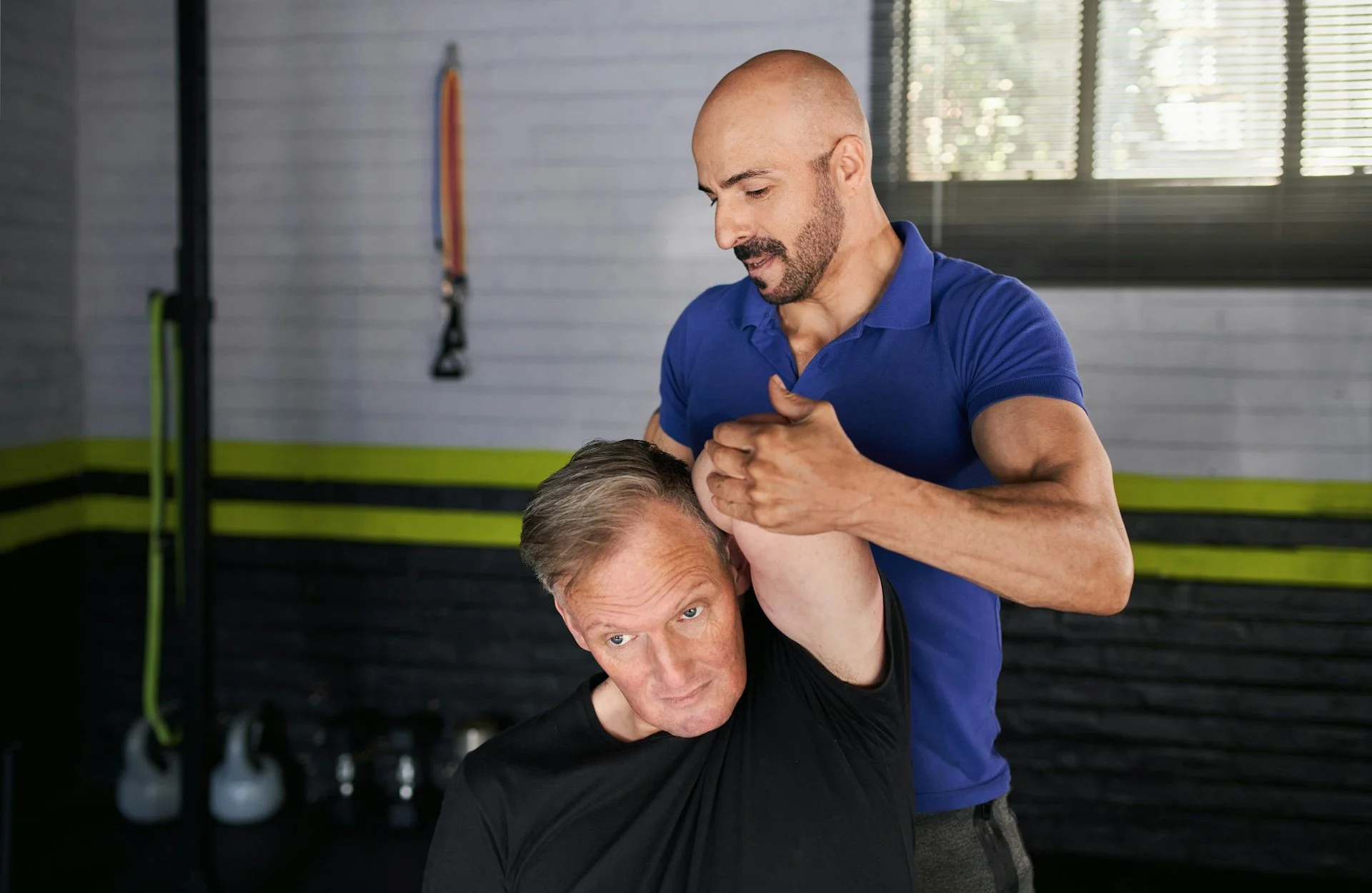
How a Chiropractor Can Support Recovery Over Summer
Summer in Melbourne brings longer days and (hopefully) warmer weather, and for many of us, that means more time outdoors.
Whether it’s casual jogs along the bay, walking or playing with the kids at the park, or simply getting back into a more active rhythm, this time of year tends to invite movement. But going from a slower pace to full-swing activity can sometimes bring a few aches along with it.
Even lightweight efforts like gardening or long walks can wake up old stiffness or leave us feeling tighter than expected. That’s where checking in with our chiropractors can help ease the transition. Paying attention to how the body’s handling the change in season matters, especially if those little twinges start showing up more often than we'd like.
Getting Back Into Activity After a Break
When we move less through winter and spring, it’s normal for the body to feel a bit sluggish come summer. Muscles haven’t had the same use, and joints might be a little less fluid. Even the most familiar activities can hit differently if we haven’t done them in a while.
We often notice the same patterns come up during this seasonal shift:
• Tight hips or hamstrings after returning to running or cycling
• Lower back stiffness from unexpected lifting or uneven surfaces
• Shoulder or neck tension after jumping back into tennis, golf, or gym workouts
It’s not just about soreness. When movement isn’t smooth, it can affect how you walk, sit, or recover at night.
A gentle review of posture and movement habits can offer insight into what’s going on under the surface. Sometimes those little misalignments or hidden strains stick around until we give them attention.
Supporting Common Areas of Discomfort
Whether you're heading out for a round of golf, dealing with post-gym tightness, or feeling the effects of sitting differently during an outdoor event, it’s often the same key areas that show wear and tear. The lower back, neck, and jaw tend to carry hidden tension, especially when we return to more regular activity.
That tension doesn’t always arrive suddenly. It might start as a dull ache or a tight spot that only shows up some days. Over time, these small imbalances can build. From repetitive swings to holding a child on one hip, the body absorbs impacts and postures in a way that often goes unnoticed, until it doesn’t.
By checking how each of these areas is responding to new or returning activity, we can better support movement and ease the kind of strain that might otherwise stick around into autumn.
How Movement Changes Through the Warmer Months
Summer brings a whole different rhythm. Swim laps in the morning, bike rides after dinner, spontaneous barefoot walks on grass, our habits change, and the body notices. Even those who keep a regular routine often tweak how or where they move during these months.
It’s common for subtle shifts in routine to have a bigger physical effect than we expect:
• Thinner-soled shoes or sandals offer less support
• Walking on sand or uneven lawns can change stride length
• Heat fatigue can influence posture during the day or how we sleep at night
Our chiropractors can help look at how joints and muscles are adjusting to these seasonal shifts. Movement might need small tweaks to feel smoother, and tuning in early can help keep activity comfortable all summer long.
At Align Chiropractic in South Melbourne, Dr. Martin Harvey and Dr. Kieran Whelan see a wide range of patients returning to sport and activity through the warmer months. We focus on checking and improving movement patterns so that tension in the back, neck, or jaw does not become a barrier to enjoying your summer activities.
Recovery Isn’t Just for Athletes
We sometimes think that recovery applies only to those in training or sport, but that’s not really the case. Summer encourages more movement for just about everyone, whether it’s playing with your kids, doing laps in the local pool, or walking more while on holidays.
Even everyday routines can start to feel off when they’ve changed dramatically:
• Lifting grocery bags differently after skipping the car park
• Trying outdoor yoga for the first time
• Sleeping in new positions due to the heat
You don’t need to be in sport to experience soreness or fatigue. When something doesn’t feel quite right, it’s okay to take note. Catching those small signs early can help you stay active without discomfort growing over time.
A Steadier Summer Starts with Comfortable Movement
Movement should feel easy, especially at a time of year when so many of us are enjoying more freedom in our schedules. Whether it’s squeezing in walks between commitments or playing backyard cricket with family, it helps when the body works with you instead of against you.
Checking in after a change in routine can be a smart way to stay ahead of any lingering tightness.
• An achy neck after road trips
• Shoulder strain from carrying things across festivals
• Back fatigue from longer afternoons out and about
We often see these patterns return each summer. By recognising them early, it’s easier to stay active, enjoy your time, and avoid letting small discomforts grow into something that limits movement later. Summer should feel light, not loaded down, and being in tune with your body makes all the difference.
At Align Chiropractic, we believe that summer is a great opportunity to tune in to what your body is telling you, especially if you notice new tension or discomfort in your back, neck, or jaw. Changes in activity can have lasting effects, so a quick assessment with a sports chiropractor can offer clarity on how you’re coping with the season. At Align Chiropractic, we focus on understanding where tension builds and what steps can help you feel your best. Reach out to book your appointment.