
Scoliosis Support in South Melbourne That Makes Sense
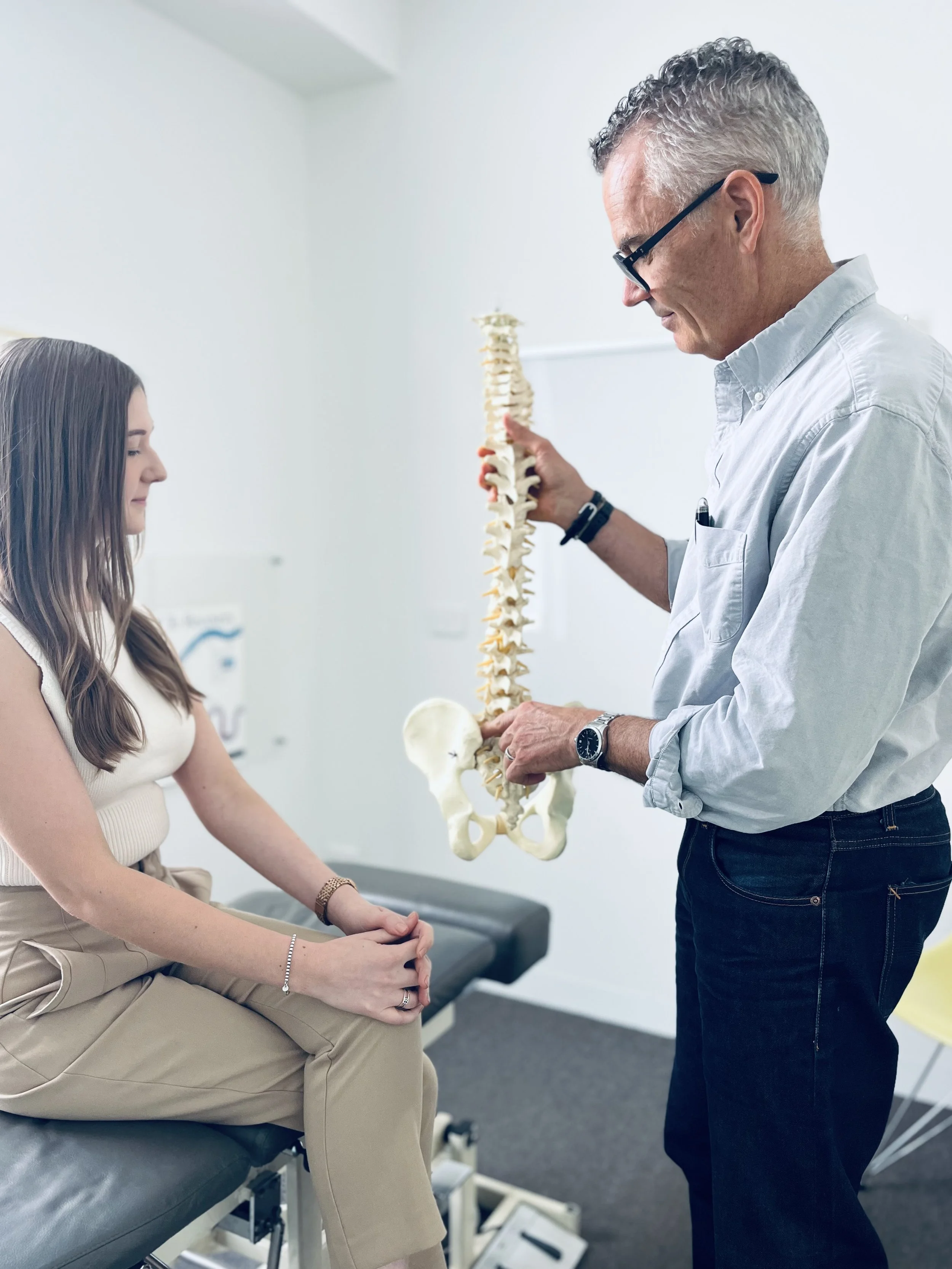
Scoliosis isn’t always obvious. Some people notice it early, while others go years without realising their spine has shifted. Whether the curve is small or more pronounced, it can affect how your body feels, how you move, and how you carry yourself over time. That’s where the right care matters.
At Align Chiropractic, we support people across South Melbourne, Albert Park, Port Melbourne, St Kilda, and nearby suburbs. Our approach starts with understanding how scoliosis shows up in your life, then working on ways to manage its impact with care that suits your body, not someone else’s.
What Scoliosis Can Look Like Day-To-Day
People often notice signs of scoliosis when clothes don’t sit right or one shoulder looks higher than the other. Sometimes it’s a slight curve from behind, or a hip that rests unevenly. Others may not see much change but feel discomfort that’s hard to explain.
You might come across different types:
- Idiopathic scoliosis usually begins in adolescence and has no clear cause.
- Congenital scoliosis appears early due to how the spine forms during growth.
- Neuromuscular scoliosis links to conditions that affect nerves or muscles
These curves don’t all behave the same way. Some stay stable. Others change over time, especially during growth or with regular strain. Picking up on these shifts early can make it easier to protect your movement and comfort long-term.
How Scoliosis Can Affect Your Comfort and Movement
Everyone moves through life a bit differently—and scoliosis can shape that experience in quiet but steady ways. For some, it’s mild stiffness when waking up whilst for others, it’s ongoing tightness in the neck, shoulders, or lower back.
If the spine continues curving, muscles may work harder to keep balance. This creates fatigue, tension, or problems with posture. Over time, it can even affect your breathing pattern or how stable your body feels during certain activities.
For school-age kids or teens, a visible curve can also affect confidence during major life stages. For adults balancing work, family, and long commutes, scoliosis can make daily stress on the spine feel worse.
What to Expect When You Visit Align Chiropractic
We don’t guess or follow a template. Every person we see gets a full picture taken—how they stand, move, and carry weight throughout the spine. From there, we look at where support is most needed and how your body has adapted over time.
If you suspect that you or your child has a scoliosis, it’s important to find out what’s really going on. Often when assessing scoliosis, X-rays are required to see what you’re dealing with. From there we should be able to tell you the best way of moving forward, whether that’s receiving care from us, or if we need to refer you for specialised scoliosis management and/or bracing. We want to make sure you get the best possible approach, even if it’s with someone else!
The goal isn’t to force the spine to fit a textbook pattern—it’s to help you move better, feel strong, and reduce areas of overload. Your care plan will target what helps your spine hold balance, so other areas aren’t working overtime.
We break it down in a clear process, adjusting the focus as things change. Progress can look different for each person, and we respect that.
Hands-On, Non-Invasive Scoliosis Support
At Align Chiropractic, spinal adjustments and gentle techniques work toward a less strained structure. These movements aim to ease pressure in key areas and allow more natural function where the spine has shifted.
Some people benefit from postural cues or guided stretches as part of their plan. These give your body space to reset and perform tasks like sitting, standing, walking, or working with less tension. While scoliosis won’t always cause pain, it often affects how the rest of the body moves. That’s where steady hands-on support can offer practical relief.
By checking in regularly, we also track changes early. Subtle shifts matter—when caught early, they’re easier to manage and less likely to impact your routine.
Helpful Changes You Can Start at Home or Work
Support doesn’t stop when you leave our practice. You can make small changes to help your spine stay more comfortable through daily tasks:
- Use chairs that support your lower back and help keep your feet flat on the ground
- Keep screens at eye level to avoid tilting your head for long hours
- Include short walks, stretching, or deep breaths to break up sitting time
- Learn how to carry bags or lift items evenly, so one side isn’t under constant stress
During appointments, we offer suggestions tailored to your routine. These don’t need to be drastic, but over time they make a real difference in how supported your spine feels.
Working with the South Melbourne Community
South Melbourne has a mix of residents—students, families, workers, retirees—all with different demands on their bodies. Long hours spent at desks, behind a wheel, or managing physical tasks can add extra pressure on already sensitive patterns.
That’s why we focus on real assessments and open planning. With 50 years of shared experience, Dr Martin Harvey, Dr Kieran Whelan and Dr Sarah Kennedy bring knowledge and common-sense care that pairs well with day-to-day life.
Our practice sees people from across South Melbourne, Albert Park, Port Melbourne, and St Kilda. Whether you’re new to scoliosis care or checking in on an old curve, we’re here to support goals that matter—for movement, comfort, and body awareness.
We’re Here to Help You Move With Less Strain
You don’t have to accept discomfort as normal. Whether you’re just starting to notice scoliosis signs or want help managing long-standing effects, now is a good time to take the next step. A clear assessment gives you more choice, more control, and more confidence in your daily movements.
We’ll meet you where you are, listen without pressure, and build care around your needs. There’s no guesswork—just steady support aimed at helping you feel more balanced in your body again.
Let’s Take the First Step Together; Book Today
Your spine carries you through every part of your day; don't wait for things to get worse before getting support. We’re ready to help you understand what’s going on and how to move forward with care that puts you first. You can start a conversation with us here to book your visit or ask a question. Let’s get clear on what’s happening and what can be done, because the time to act is now, not after the pain sets in.