
Take the Headache out of dealing with a Headache
Understanding your individual headache can be difficult, so you need a subtle, thorough and educated approach. We see people with head pain, headaches and dizziness every day in practice and often we can help.
There are certain types of headache however that really aren’t our forte or require a different, sometimes medical approach, this is why chiropractors spend 5 years at university and are primary contact practitioners in Australia, we need to be able to not only know what is going on with your headache to know if we can help but just as importantly, know that if we can help, where you need to be.

Virtually everyone gets them. Its so common that a lot of us actually find it weird when we meet someone who DOESN’T get them.
In Australia we start early. Studies have shown that by their mid teens, 57-82% of children suffer headache. Scarily, headache is listed as one of the main reasons a child will miss school, leading to concerns about a child’s ability to take part as fully as they should both educationally AND socially.
With adults, rates are suspected to be even HIGHER, as some sources suggest that in Australia, the most likely group of people to report headaches are aged between 25-44 years. Add to that the fact that women suffer from headaches more frequently than men and that’s a huge amount of us facing headaches every day.
Those stats don't tell the whole picture though, www.headacheaustralia.org.au alone lists at least 36 different types of headache ranging from the very mundane such as dehydration and ice-cream headaches, to the much more scary and un-appealing. Confusing the matter for the average sufferer is the fact that virtually all of these different types of headaches have their own signatures and causes, requiring different approaches to deal with them. Not everything is as easy to deal with as a dehydration headache.
Headaches are annoying but they don't have to rule your life. If you want to decrease your chances of getting headaches, lifestyle can play an important role. Not smoking, cutting back on drinking, sleeping regularly and well, eating more appropriately and especially getting daily exercise are likely to have a large effect on your chances of attack.
If you are looking to make a bigger impact than just decreasing your or your family and friends likelihood of headache and want to find out “What type of headache do I have?” “Why?” and (to me most importantly) “How do I get on top of it?” then feel free to contact us at Align.
'Don't worry be happy' or 'Make stress your friend'?
One of the most significant triggers for tension type headaches and migraines is psychological stress. Ongoing stress is also a predictor of how well people recover with back and neck pain. So is the answer to “don’t worry be happy?” "Just cut out stress", "You need to take more stress out of your life" or the always ridiculous: "You need to stop work or make it less stressful". Or my personal favourite, "Just don't let yourself feel so stressed"
But what happens if you CANT just let it go so easily? Or you haven't won tattslotto and you have to keep working to be able to live?
Well there is a possibility that decreasing stress might not be all that important anyway. What IS important is how you look at it.
We all have stress in one form or another and for most of us its actually SO constant that we may not even realise that we have it.
New research suggests that if you view your stress response as being your body's way of helping you out of a tough spot, rather than something that makes your life harder, then not only might you live longer but your stress may actually help PROTECT your heart from heart disease!
Watch the TED talk below to find out what I mean. Its not short but it is worth the investment of your time. How often can you spend 15minutes and potentially save your won life?
How do you think you're dealing with stress? Is it time you updated your perspective?
Let us know what you think next time you're in the practice!
All the best,
Kieran
Are you Sitting too much?

A bitter sweet blog post by Caitlin Lewis

What's the Best Sitting Posture for a Happy Back?
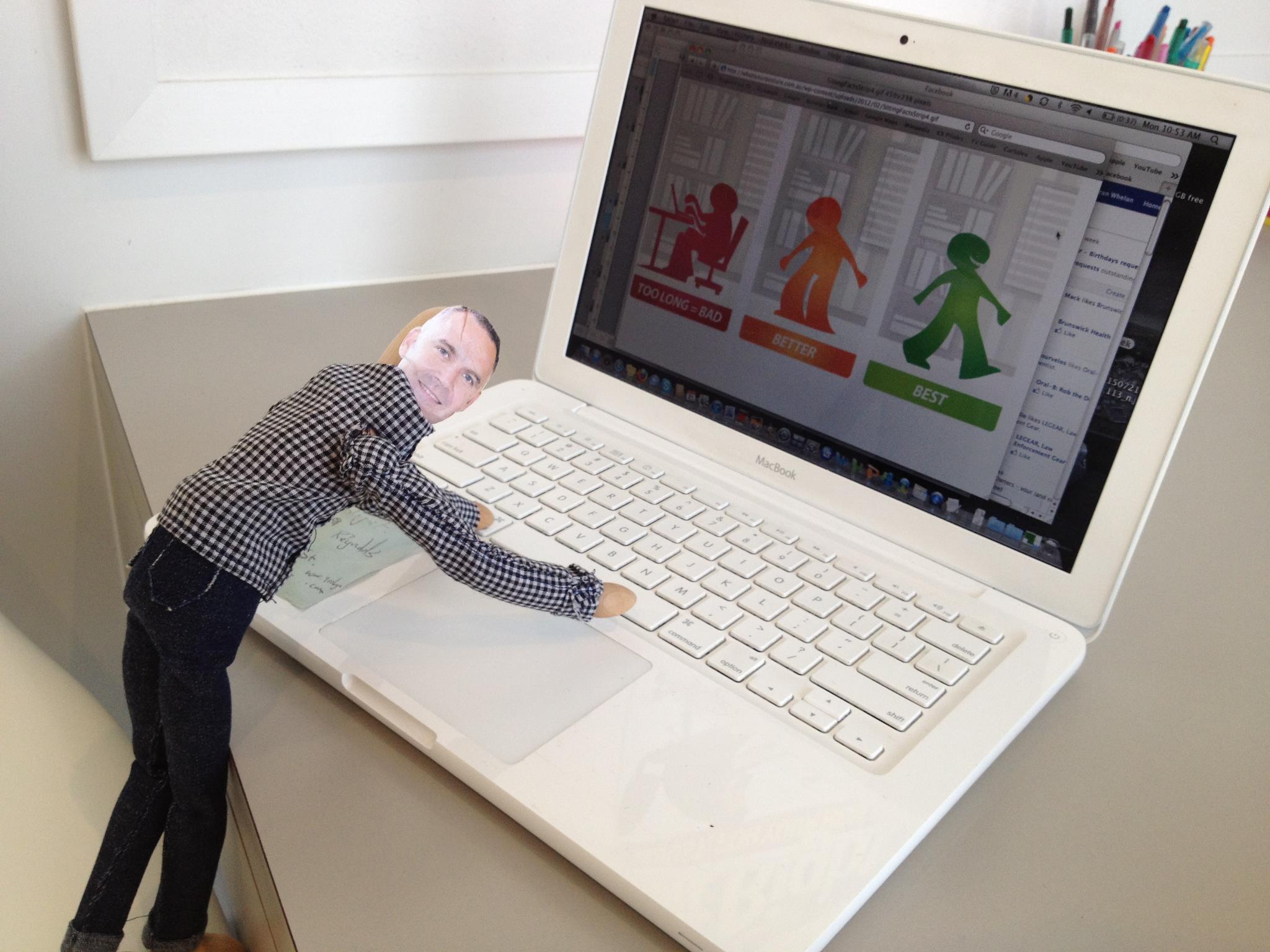
We see lots of people who sit majority of the day. Whether its working, studying, driving, socialising, browsing social media - a LOT of our day is spent on our bottoms. Did you know your posture directly effects your health!
If we are going to spend this long sitting we may as well do it right!
The Chiropractors Association of Australia have a helpful guide on how to improve your posture when sitting. Check it out here and make sure you print out the checklist and adjust your work station and contact us if you have any questions!
We are raising this awareness to promote Spinal Health Week May 25th-31st. The theme is #happyback and we’ll be giving you weekly tips on how to keep your back happy while you work, rest and play!
Back To School Tips - Backpacks
Here are some helpful hints on how to be kind on your spine while still looking cool and carrying around all your school books/iPads/laptops! The Chiropractors Association of Australia have his helpful handout to keep with up to date research on how to wear your back pack correctly.
The main points are:
- Your child's backpack should weigh no more than 10% of his/her body weight. If you have a primary school aged child who's bag is heavier than this - you can always carry it to and from school for them! For high school students - encourage them to carry heavy items in their arms rather than in their bags
- Ensure the heavier items are packed closest to their spine and lighter items towards the front of the backpack
- Wear your shoulder straps over BOTH shoulders
- Pretty Obvious - Only pack what you need
If you have any other queries/concerns about whether your child's backpack is adequate, feel free to have one of our Chiropractors check it for you.

School Bags!
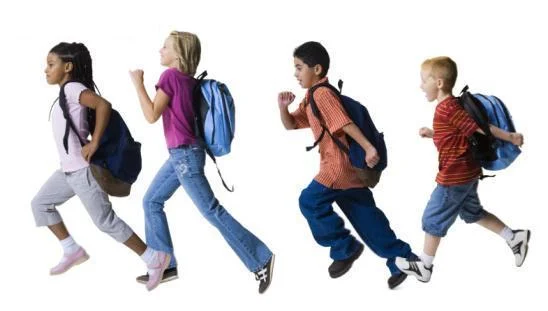
Dr Jen has informed us once again of the importance of a proper fitting school bag!
Here are 3 quick tips!
1. It must weigh no more than 10-15% of a childs body weight
2. When loaded with unavoidable heavy books both shoulder straps should be worn so the child isn't pulled backwards. Their spine should be straight!
3. Go for a lightweight bad with 2 padded shoulder straps
Have a wonderful school year for 2012 :)